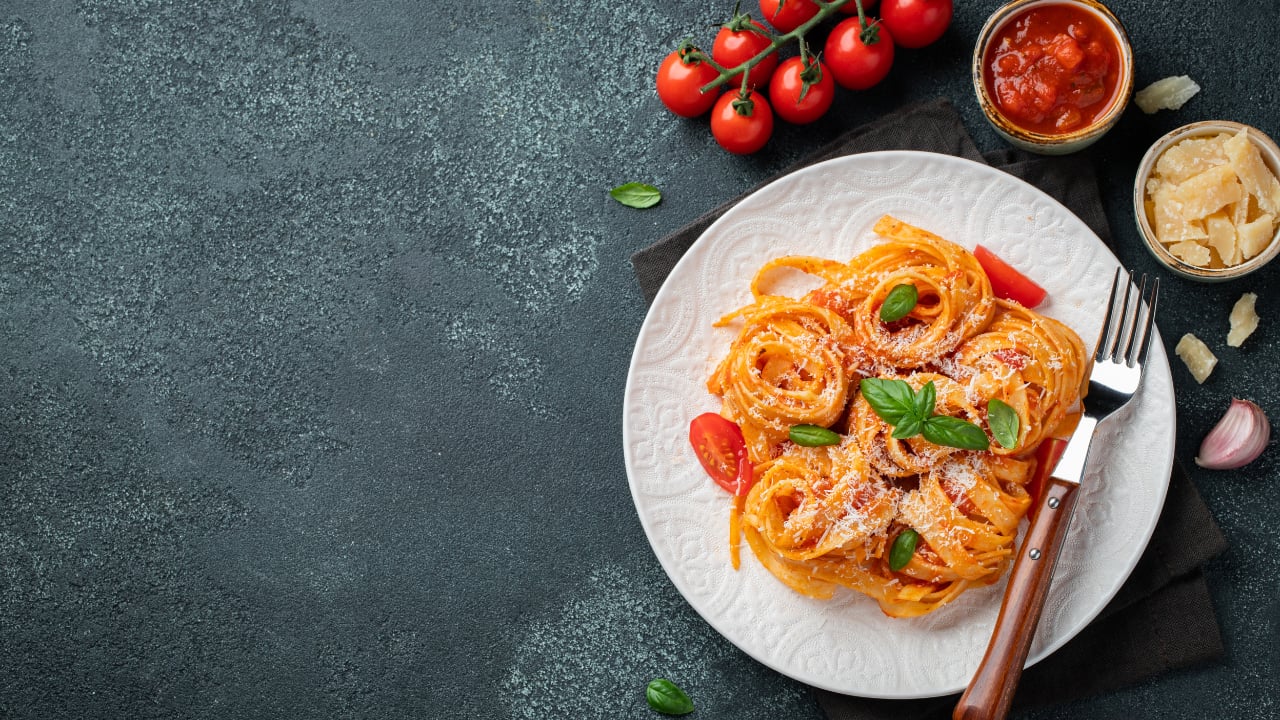
Emily Wu spent years working in sushi restaurants before she opened her own place, and the thing that stuck with her wasn't the food. It was the bill. "I personally really like sushi, and it's always so expensive," she told the Johnson County Post this spring. "Sometimes you go to a sushi restaurant, two people, and you can spend like $100 or something. A lot."
So when she closed Top Soup Yunnan Noodle at Stanley Square, she didn't open another noodle shop. She opened 69 Sushi, an all-you-can-eat buffet at 151st Street and U.S. 69, built specifically to solve the problem she'd been complaining about for years.
Around the same time, a few miles north, a very different bet opened in downtown Overland Park. At Kiyoshi Omakase, just off 80th Street and Santa Fe Drive, chef Jerry Cao seats eight people at a counter and serves fourteen chef-chosen courses for $98 a person, no menu, no substitutions. Li, quoted by the paper, said the Midwest doesn't have many omakase-style restaurants right now. The eight seats were already filling with reservations in its first couple of weeks, according to the paper.
That's the same city, the same spring, solving the same craving in opposite directions. One restaurant makes sushi cheap by removing the limit on how much you eat. The other makes it expensive on purpose, because scarcity and a single tasting menu are the whole point. A third concept, Kata Nori, was expected to open in summer 2026 in Hawthorne Plaza with a U-shaped hand-roll counter and seafood flown in weekly from Japan, landing somewhere between the other two: a la carte, seasonal, not a buffet and not a $98 commitment.
If you've noticed Overland Park suddenly has options for sushi at every price point that didn't exist together until this year, that's not a coincidence. It's three separate owners reading the same demand and deciding there was room for all of them, because they weren't actually building the same restaurant.
Why downtown could absorb all of this at once
Part of the answer sits two blocks from Kiyoshi, at the corner of Santa Fe Drive where downtown's farmers market used to run out of an aging pavilion. That pavilion is gone. In its place is Clock Tower Landing, a $34 million indoor-outdoor gathering space that broke ground in December 2024 and opened with a ribbon-cutting on June 5, 2026.
The old market had two public restrooms. The new one has twelve stalls plus a family restroom, according to the Johnson County Post's coverage of the opening. That's not a trivial detail. It's the kind of capacity upgrade a city makes when it expects a lot more people standing around for a lot longer than a quick Saturday morning market run. The project also flattened what used to be a ten to twelve foot grade change across the site, added permanent shade structures, and converted the space into something that can host events year round instead of six months of farmers markets.
Parks and Recreation director Bryan Toben put it plainly when the project was still under construction: the goal was a gathering place for the whole community, not just a market. Longtime downtown resident Tamra Batt showed up for the ribbon-cutting mostly out of curiosity about what the city had built with her tax dollars, and left telling a reporter it was "actually very cool."
A gathering space that can hold a crowd for hours, with real infrastructure to support it, sits directly between three of the new restaurants. That's not the whole explanation for why Overland Park's food scene changed shape this year, but it's the part of the story that doesn't show up in a restaurant roundup. The city built the foot traffic capacity first. The restaurants followed.
The rest of downtown's plate
The sushi wave gets attention because three concepts opening within months of each other is an easy thing to notice. It's not the only thing that changed.
A few doors down from 69 Sushi at Stanley Square, Te Amo Cafe opened as a family venture: parents Sabeen Khaliq and Mehtab Khan running the counter alongside their kids, Alysha and Youssouf, pouring lattes, matcha, and boba tea in a space that had sat empty since Top Soup's closure.
Back downtown, the old Brew Lab taproom reopened this year as Tallboyz Garage, a full menu overhaul with street tacos, smash burgers, catfish, and a weekend brunch, plus trivia nights, karaoke, and pool tables built for the kind of place you go for three hours instead of one meal.
Pho Solar opened downtown in June, giving anyone craving a bowl of pho or a banh mi a walkable option that wasn't there a year ago. And in September, Pho & Boil is set to take over the former Smoke Town BBQ space on Shawnee Mission Parkway near Robinson Street, pairing Vietnamese noodle soup with Cajun-style seafood boils under one roof, a combination that hasn't had a home in Overland Park until now.
None of these openings depend on each other. They're independent businesses making independent bets in the same calendar year. But taken together, they point to the same underlying shift: downtown Overland Park's dining identity used to run through chains and drive-thrus. This year it's running through people who saw a gap and built something specific to fill it, whether that gap was omakase, boba, or a seafood boil nobody else was serving.
What a Saturday actually looks like now
If you're trying to figure out where to spend an afternoon downtown, here's what's actually walkable within a few blocks of Clock Tower Landing right now:
- Overland Park Farmers Market, Wednesdays and Saturdays, 7:30 a.m. to 1 p.m., inside the new Clock Tower Landing pavilion at 7950 Marty Street
- Kiyoshi Omakase, near Thompson Park just off 80th and Santa Fe, open Tuesday through Thursday evenings and weekend afternoons, reservations recommended given the eight-seat counter
- Tallboyz Garage, the old Brew Lab space, open for lunch through late night with a rotating list of specials
- Pho Solar, walkable from the same downtown corridor, for a faster weeknight option
Further south, Stanley Square at 151st and U.S. 69 has become its own small cluster with 69 Sushi and Te Amo Cafe sitting a few doors apart, worth the drive if you're already headed that direction for errands.
None of this required a car trip out to the interstate. That's arguably the bigger story here: Overland Park's newest, most specific restaurant concepts, an omakase counter with eight seats, a family-run boba cafe, an all-you-can-eat answer to sushi pricing, are choosing to open in the older, walkable parts of the city rather than the newer retail corridors along U.S. 69. Downtown got the investment in both the public space and the businesses filling in around it in the same year, which is a combination that's harder to find than a single new restaurant opening on its own.
If you've lived in Overland Park for a while, you already know the food scene has been changing in pieces. It's worth seeing the pieces as one picture: the city upgraded the space where people gather, and the businesses that moved in around it are each solving a different problem instead of competing for the same customer. That's a more interesting trend than "new restaurants opened," and it's one you can only see if you're paying attention to more than one corner of downtown at a time.
Know the neighborhood well enough to spot which corner is next? That's the kind of local read The Johns Family Team brings to every conversation about Johnson County, whether you're asking about a restaurant or a house. If you're curious what your own Overland Park home is worth in a market that keeps adding reasons to stay, get your free home valuation and let's talk about what's actually changing around you.