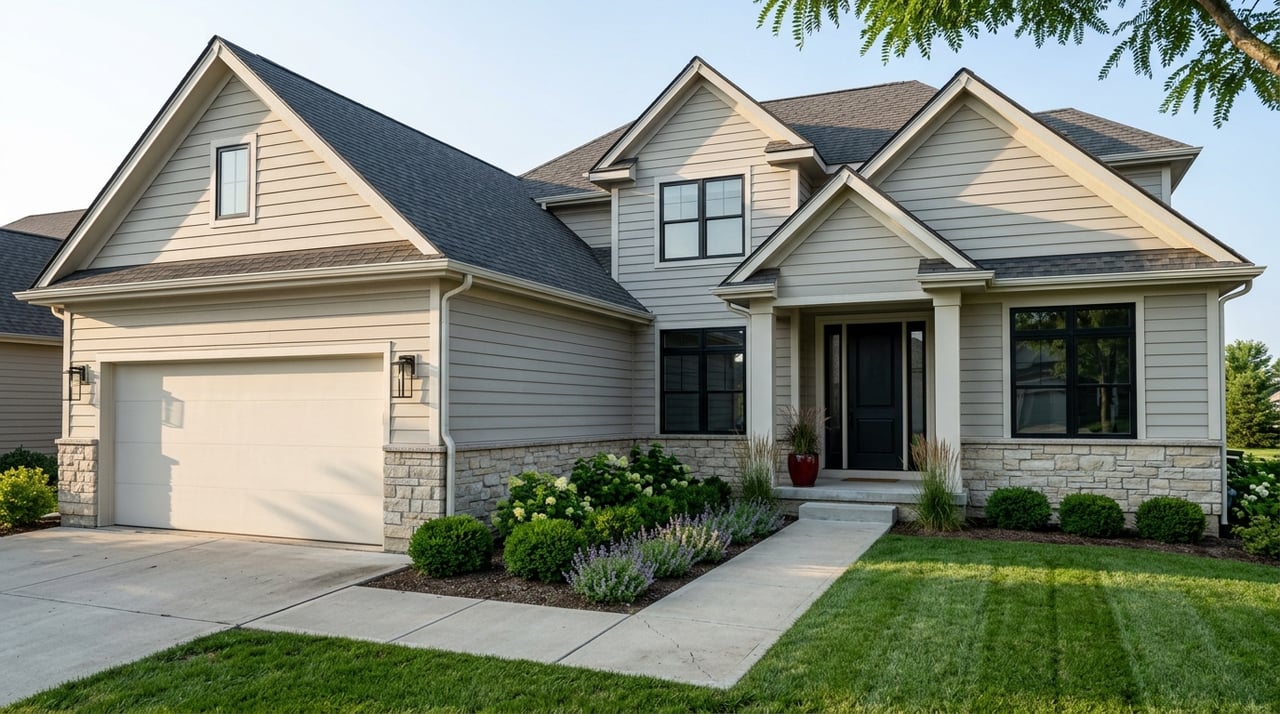
If you want to sell your Overland Park home without feeling rushed, the timeline matters more than most people expect. You are not just putting a sign in the yard. You are making pricing decisions, preparing the home, handling disclosures, and getting ready for buyers who may move quickly in today’s market. With a clear step-by-step plan, you can stay ahead of the details and list with confidence. Let’s dive in.
Why timing matters in Overland Park
Overland Park sellers are still working in a market that can move fast, especially when a home is well prepared and priced well from day one. According to Redfin’s Overland Park housing market data, the median sale price was $518,000 in March 2026, homes received about 3 offers on average, and median days on market was 17.
At the same time, pace can vary depending on price point, condition, and competition. Realtor.com’s local market snapshot shows 766 homes for sale, a median listing price of $630,000, and a median of 31 days on market. The takeaway is simple: condition, pricing, and presentation matter early.
How long it takes to get ready
Most sellers start thinking about a move before the home ever hits the market. Zillow’s 2026 selling guidance says many people begin planning 3 to 4 months in advance, while Realtor.com reports that many sellers need about a month or less to get market-ready.
For most homeowners in Overland Park, a 6-to-12-week prep timeline is a practical middle ground. That gives you enough time to make smart updates, organize paperwork, and prepare for photos and showings without scrambling.
8 to 12 weeks before listing
This is the planning stage, and it sets the tone for everything that follows. You want to define your ideal move timeline, look at recent comparable sales, and decide what work needs to happen before your home is shown to buyers.
This is also the time to choose your listing partner and build a strategy around your property, not just the broader market. A thoughtful plan early on can help you avoid last-minute decisions that affect price or presentation.
Set your goals early
Start by clarifying what matters most to you. You may want the highest possible price, the fastest possible close, more flexibility on move-out timing, or a balance of all three.
When you know your priorities upfront, it becomes easier to make decisions later about pricing, prep work, and offer terms. That clarity can save a lot of stress once your home is live.
Review repairs and deferred maintenance
Walk through your home with a critical eye and make a list of anything buyers are likely to notice. Peeling paint, loose hardware, damaged trim, worn flooring, or older fixtures may seem minor, but visible issues can shape buyer impressions quickly.
If you are considering larger repairs, it is smart to check the City of Overland Park permit and inspection resources before work begins. This is especially important for electrical, plumbing, mechanical, or structural projects.
Gather disclosures and property history
Before listing, tell your agent about any known issues with the property. Under Kansas law on adverse material facts, a seller’s agent must disclose adverse material facts actually known, including material defects, title defects, environmental hazards, physical condition issues, and material limits on the seller’s ability to perform under a contract.
This is also the right time to pull together records for prior repairs, updates, warranties, or mitigation work. If you have past radon test results or mitigation history, keep those handy as well.
4 to 6 weeks before listing
Now the focus shifts from planning to preparation. This is usually the best window for decluttering, depersonalizing, deep cleaning, touch-up work, and minor repairs.
Think of this phase as creating a clean, neutral, photo-ready version of your home. Buyers need to understand the layout, the light, and the condition of the home quickly, whether they first see it online or in person.
Declutter and depersonalize
Start by removing items that make rooms feel crowded or overly personalized. That can include excess furniture, stacks of paper, overflowing closets, family photos, and bold decor choices that distract from the space itself.
The goal is not to strip away all personality. It is to help buyers focus on the home’s features and imagine how they would use the space.
Deep clean and handle minor repairs
A clean home signals care. Pay special attention to flooring, kitchen and bath surfaces, windows, baseboards, light fixtures, and high-touch areas.
At the same time, knock out small repairs that can make a home feel unfinished. Replacing burned-out bulbs, patching wall scuffs, tightening handles, and refreshing paint in worn areas can make a meaningful difference.
Consider staging key rooms
Staging can help buyers understand a room’s purpose and scale. According to the National Association of Realtors 2025 Profile of Home Staging, 83% of buyers’ agents said staging made it easier for buyers to visualize a property as a future home.
The most commonly staged rooms were the living room, primary bedroom, and dining room. If you are deciding where to focus your effort, those spaces are a smart place to start.
2 to 3 weeks before listing
By this point, your home should be getting close to launch-ready. Major prep items should be wrapping up so you can move into the final presentation phase without delay.
This is where sellers benefit from staying focused on the three priorities highlighted by Realtor.com’s 2026 selling guidance: condition, pricing, and presentation.
Finish curb appeal
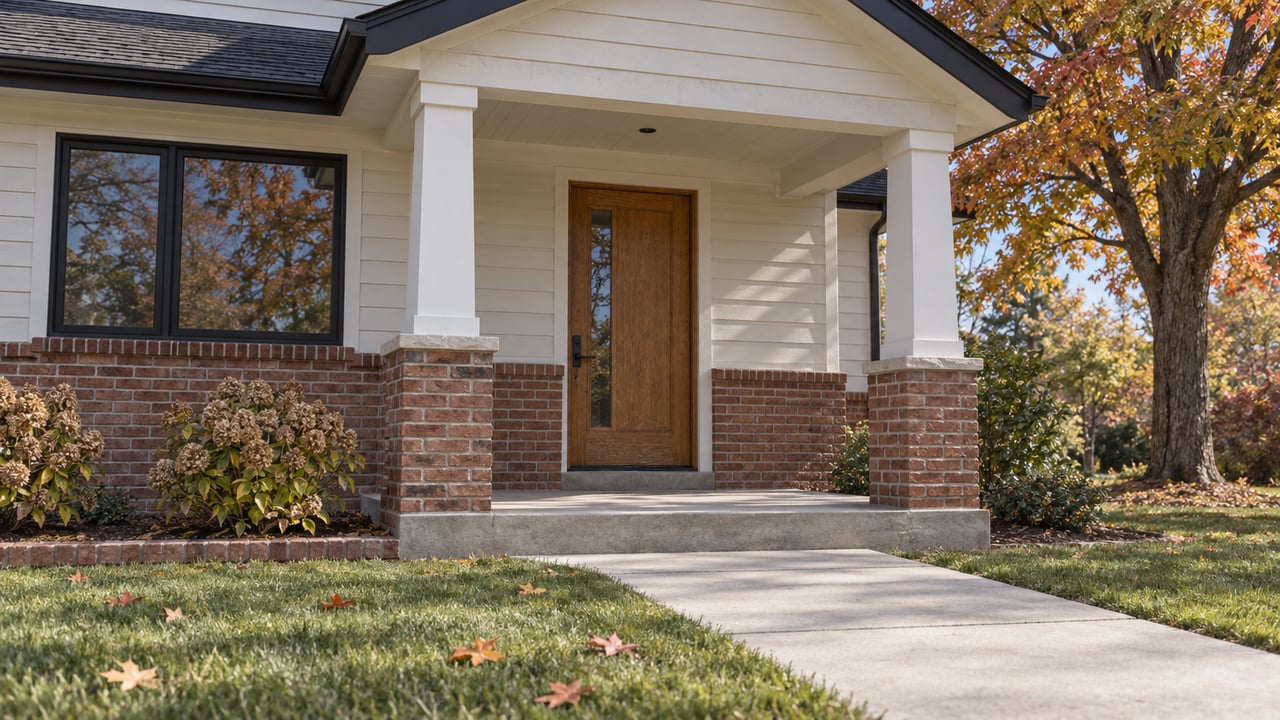
First impressions start before buyers walk through the front door. Clean up landscaping, edge the lawn, refresh mulch if needed, sweep walkways, and make sure the entry feels inviting and well maintained.
You do not need a major exterior overhaul. Consistent upkeep and a tidy appearance often go a long way.
Finalize pricing strategy
Pricing is one of the most important decisions in your selling timeline. A price that is too ambitious can slow momentum, while a price grounded in current market conditions can help generate stronger early interest.
In a market where homes may move quickly, the first week matters. That is why your list price should reflect current competition, recent comparable sales, and the home’s overall presentation.
Prepare for photos and marketing
This is the stage for final cleaning, styling, and photo preparation. Every room should feel bright, organized, and functional before professional photography takes place.
You will also want to make sure property details are accurate and complete. Square footage, upgrades, utility features, and other home information should be gathered ahead of launch to avoid delays.
Listing week
Once your home is ready, it is time to go live with strong visuals, a clear showing plan, and complete listing information. If your timing is flexible, seasonality can still matter.
According to Realtor.com’s 2026 best time to sell report, the week of April 12 through April 18 was identified as the best week to list in 2026, and the Midwest generally aligns with a mid-April listing window. Even so, the best week for your home also depends on your property condition and readiness.
Be ready for immediate interest
Once the listing is active, you want to be prepared for showing requests and buyer feedback right away. In Overland Park, the early days on market can be especially important.
Redfin’s local data shows homes going pending in around 17 days on average and receiving about 3 offers on average. That means a strong launch can shape the entire outcome of your sale.
The first 1 to 2 weeks on market
This is your highest-visibility window. Buyers who have been waiting for the right home often act quickly when a new listing matches their needs.
During this period, you should expect a higher volume of showings, buyer questions, and early feedback. Staying flexible and responsive can help you make the most of the momentum.
Watch feedback closely
Not every showing leads to an offer, but patterns in buyer feedback can still be useful. If multiple buyers mention condition, layout, or pricing in similar ways, that information may help guide your next move.
The market gives feedback fast, especially in the first week. Paying attention early can help you adjust before valuable time slips away.
After offers arrive
An offer is more than a price. You also need to look at financing strength, contingencies, inspection terms, appraisal risk, requested concessions, and the proposed closing date.
The strongest offer on paper is not always the best fit for your goals. A well-structured contract with fewer complications can sometimes create a smoother path to closing.
Compare the full offer terms
When you review offers, consider questions like these:
- Is the buyer financing the purchase, and how strong does that financing appear?
- Are there contingencies for inspection, appraisal, or the sale of another home?
- What closing date is proposed?
- Is the buyer asking for seller concessions?
- How much earnest money is being offered?
According to Kansas Real Estate Commission consumer resources, approximate closing cost information should be provided when an offer is written for the buyer and presented to the seller. The same resource notes that earnest money release depends on the contract and escrow arrangement.
From contract to closing
Accepting an offer is a major milestone, but it is not the end of the process. After that comes inspection, possible repair or credit negotiations, appraisal, lender review, title work, and final closing preparation.
For financed transactions, the Consumer Financial Protection Bureau explains that the Closing Disclosure must be delivered at least three business days before closing. In other words, even a smooth transaction still needs time to move through the final steps.
Expect a few final checkpoints
Once under contract, most sellers should be ready for:
- Buyer inspections
- Repair or credit discussions
- Appraisal review
- Title and escrow processing
- Final closing documents
Each transaction can vary based on the agreement between the parties. That is why a timeline is best used as a framework, not a fixed promise.
Kansas seller items to verify early
Some seller prep items are easy to overlook until they become urgent. Getting ahead of them early can save time later and help you avoid preventable delays.
Radon disclosure
Kansas residential sale contracts require a radon notice, and sellers must disclose any known information showing elevated radon concentrations. The Kansas radon disclosure statute also advises buyers to have an indoor radon test performed before purchasing or occupying a property.
If you have prior radon testing or mitigation documentation, gather it early. That is especially helpful if your home is older or if buyers are likely to ask about prior testing.
Lead-based paint disclosure
If your home was built before 1978, federal lead-based paint disclosure rules apply to most sales of pre-1978 housing. The EPA’s real estate disclosure guidance explains that sellers must disclose known lead information before the transaction is finalized.
If your home falls into that age range, it is smart to pull together any records you have about repainting, remodeling, or prior lead-related information before listing.
A simple Overland Park listing timeline
If you want a practical overview, here is what the process often looks like:
- 8 to 12 weeks before listing: choose your agent, set goals, review comparable sales, identify repairs, and verify permit needs if larger work is planned.
- 4 to 6 weeks before listing: declutter, depersonalize, deep clean, make minor repairs, and stage important rooms.
- 2 to 3 weeks before listing: finish curb appeal, finalize pricing, and get the home photo-ready.
- Listing week: launch with professional marketing, accurate property information, and a clear showing plan.
- First 1 to 2 weeks on market: manage showings, review feedback, and evaluate offers if they come in quickly.
- Under contract to closing: move through inspections, appraisal, title, lender steps, and final closing documents.
Selling your home is a big move, but it gets much easier when you break it into clear steps. If you are thinking about listing in Overland Park and want a plan built around your timing, home condition, and goals, connect with the johns family team for local guidance and full-service support.
FAQs
How long does it take to list a home in Overland Park?
- Many sellers start planning 3 to 4 months ahead, but a 6-to-12-week prep timeline is a practical range for many Overland Park homes.
What should sellers do first before listing a home in Overland Park?
- Start by setting your goals, reviewing likely pricing with your agent, identifying repairs, and gathering any important property records or disclosures.
What matters most before launching an Overland Park home listing?
- Condition, pricing, and presentation matter most. That usually means cleaning thoroughly, fixing visible issues, staging key spaces, and pricing based on current market conditions.
How fast can a home sell after listing in Overland Park?
- Redfin reported a median of 17 days on market in March 2026, but timing can vary based on price, condition, and competition.
What happens after accepting an offer on a Kansas home sale?
- Most sellers should expect inspections, possible repair or credit negotiations, appraisal and lender review, title work, and final closing documents before the sale is complete.
What disclosures should Kansas sellers check before listing a home?
- Sellers should be ready to share known material facts about the property, and they should also verify whether radon or lead-based paint disclosures apply to the home.