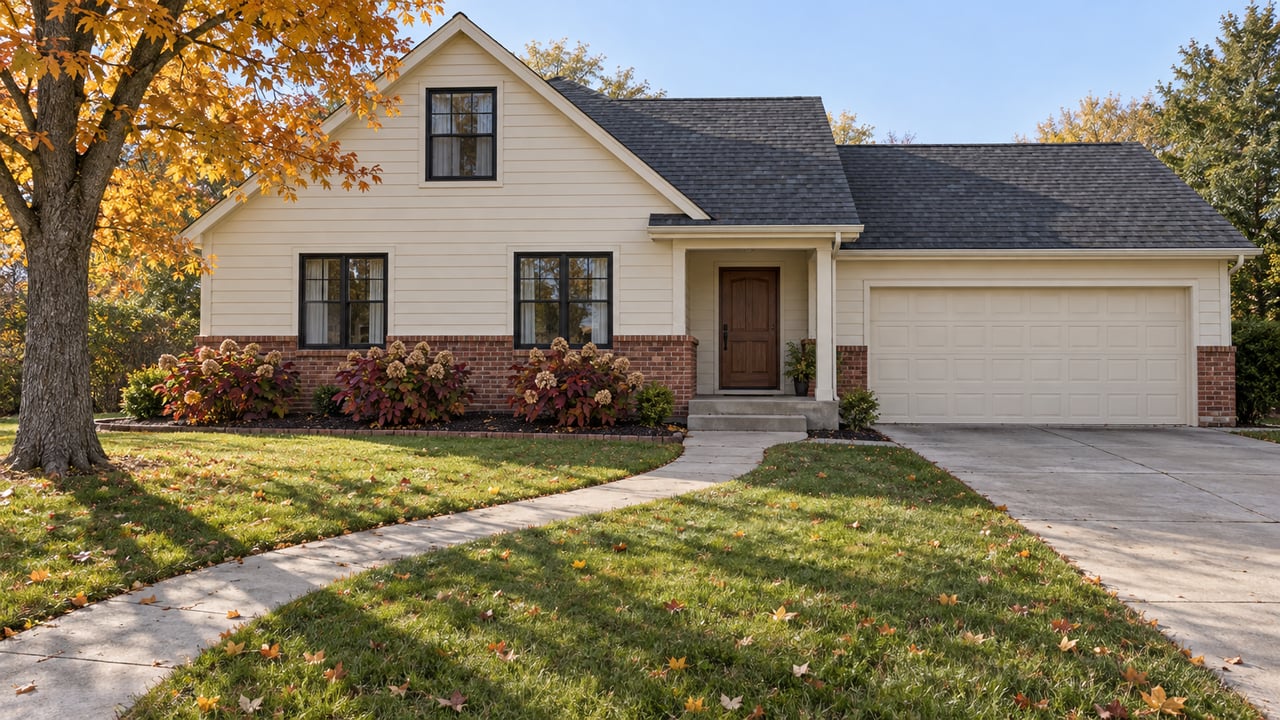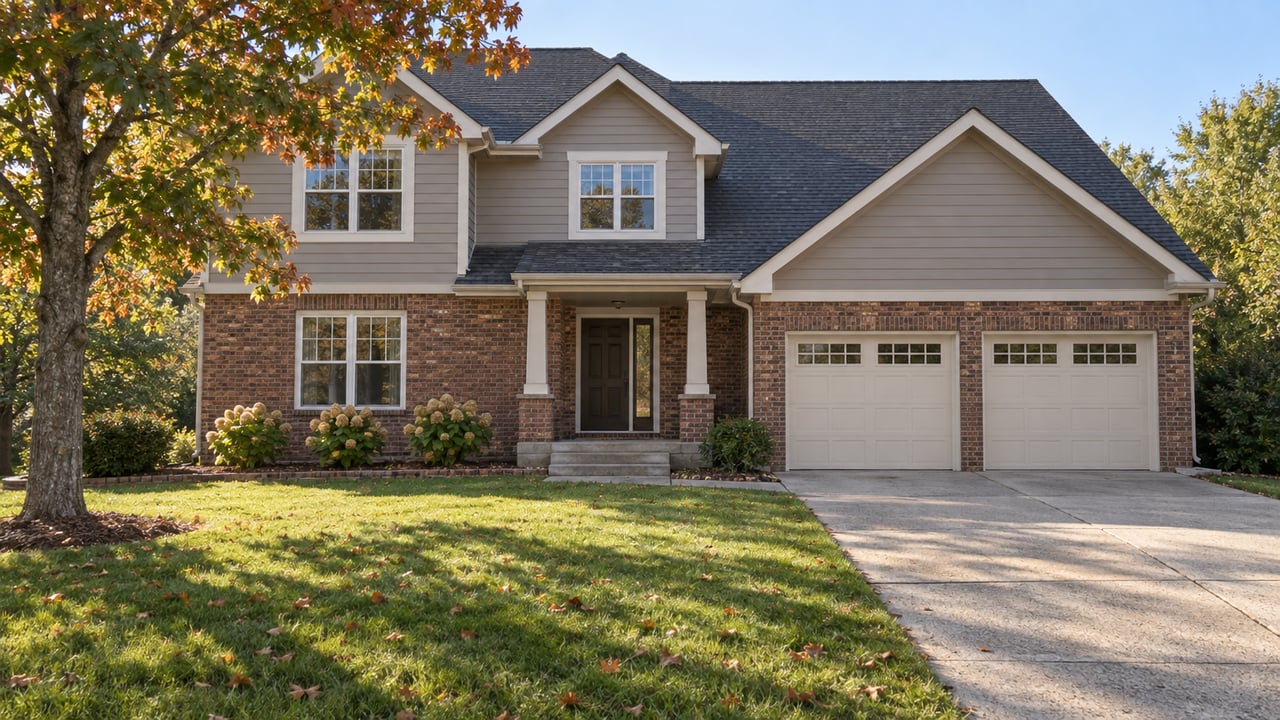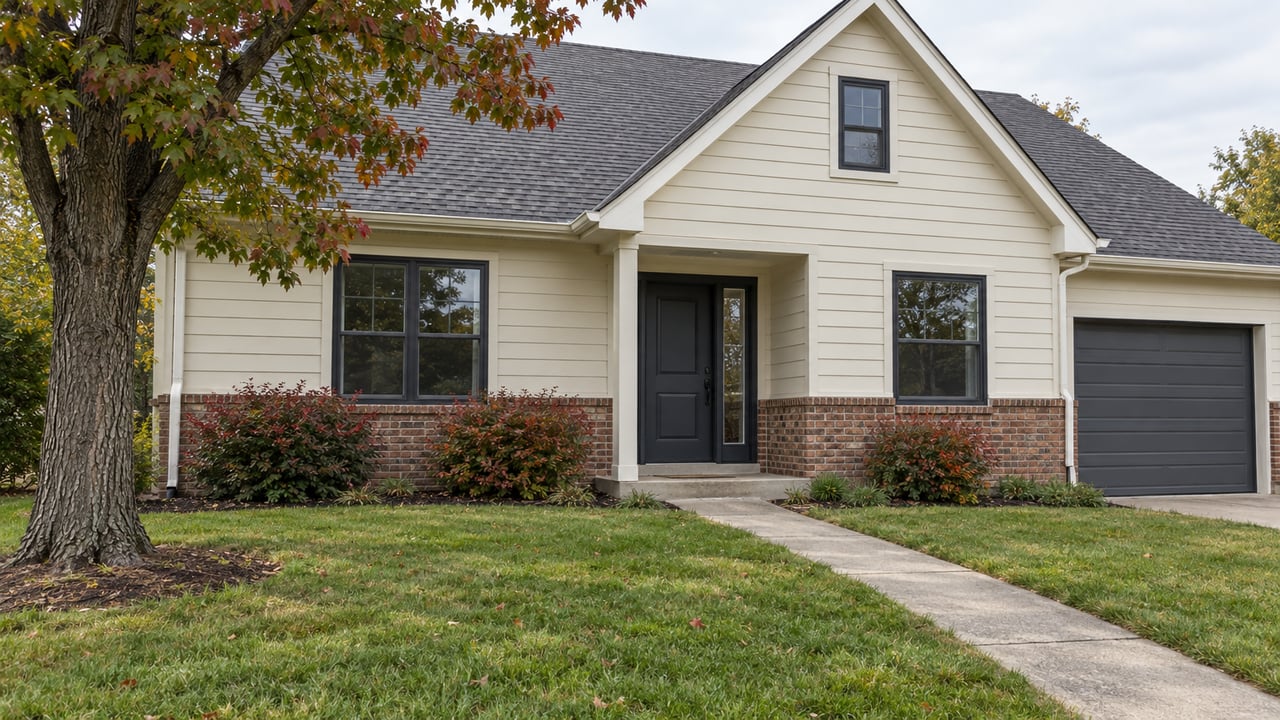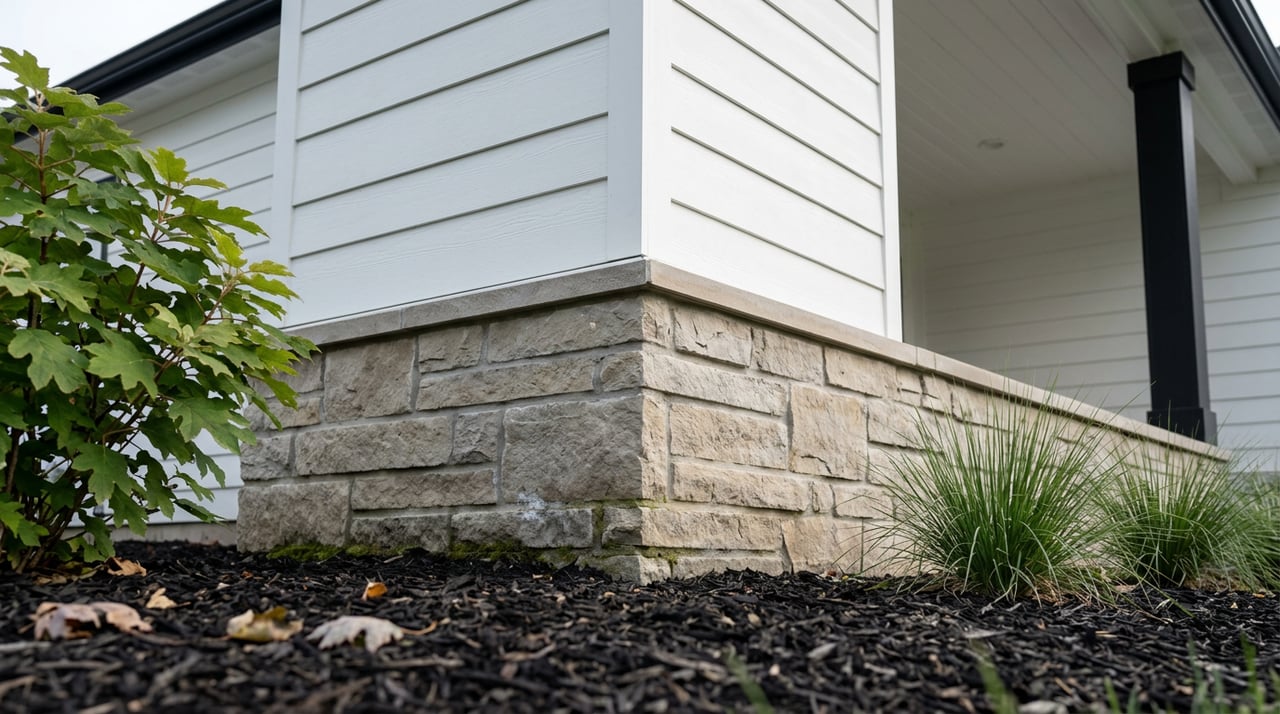
An 11-year-old house in Stonegate Reserve tested at 4.3 pCi/L in late April 2026, just over the EPA's action level. A few miles away in Quivira Falls, a 47-year-old townhome tested the same month at 2.9. If you assumed the newer build would be the safer bet, the data says otherwise, and that assumption is exactly what trips up buyers and sellers across Overland Park every year.
Most people walk into a radon conversation with a mental shortcut: new construction means tighter building codes, tighter building codes mean a sealed foundation, a sealed foundation means low radon. It sounds reasonable. It also doesn't hold up against what's actually being measured in Johnson County basements right now.
Why the zone map tells you almost nothing about your specific house
Overland Park sits in EPA Radon Zone 1, the agency's highest-risk category, with predicted average indoor levels above 4.0 pCi/L. That designation gets repeated on nearly every radon company's website in the metro, and it's accurate as far as it goes. But a zone average describes a county, not a house. The EPA itself is explicit that individual homes need testing regardless of zone, because the zone map is built from regional geology, not from what's happening under any one slab.
That distinction matters more here than in most places. The Kansas Radon Program's own database, built from more than 50,000 measurements statewide, puts the average observed test result at 4.8 pCi/L, already above the 4.0 action level. Some parts of the state show more than 40 percent of tested homes exceeding it. So the starting assumption for any Overland Park buyer shouldn't be "is this house in a risky zone." It should be "every house here needs its own answer."
What's actually driving the number, and it isn't the year the house was built
Radon comes from uranium decaying in the soil underneath a structure, not from anything inside the house itself. It gets pulled indoors through cracks in the foundation, gaps around sump pumps, and other openings where the structure meets the ground. Because soil composition and foundation design vary from lot to lot, even within the same subdivision, two houses built the same year on the same street can post wildly different readings.
That's the mechanism. Here's what it looks like in practice, using recent test results from four Overland Park subdivisions:
| Subdivision | Home Age | Radon Reading |
|---|---|---|
| Quivira Falls | 47 years | 2.9 pCi/L |
| Windham Park Bridgestone | 33 years | 3.0 pCi/L |
| Stonegate Reserve | 11 years | 4.3 pCi/L |
| Oxford Mills | 23 years | 10.2 pCi/L |
Line these up by age and the pattern buyers expect completely falls apart. The oldest home on the list tests cleanest. The 23-year-old home, sitting right in the middle of the age range, comes back more than double the action level. Age tells you nothing here. Foundation type, soil conditions on that specific lot, and how well the structure was sealed tell you everything.
This pattern doesn't stop at Overland Park's city limits either, and it doesn't spare new construction. A brand-new home in Olathe's Prairie Farms subdivision, still vacant and never occupied, tested at 12.1 pCi/L in early April 2026, three times the action level, in a house that hadn't been lived in for a single day. New drywall and fresh paint don't change what's happening in the soil six feet down.
The disclosure Kansas requires whether you like the number or not
Kansas doesn't leave radon to informal conversation. Under K.S.A. 58-3078a, every contract for the sale of residential real property in the state has been required, since July 1, 2009, to include a specific statement notifying the buyer that the property may present exposure to radon gas.
That language isn't optional boilerplate a seller can skip. Kansas's broader deceptive practices statute, as Nolo explains, gives buyers a path to sue over anything material that gets left out of a written disclosure. The safer move, and the one that actually protects a deal, is straightforward:
Every buyer of residential real property is notified that the property may present exposure to dangerous concentrations of indoor radon gas that may place occupants at risk of developing radon-induced lung cancer.
That's the exact statutory language Kansas contracts are required to carry. It's not a scare tactic. It's a legal notice, and it exists precisely because readings like the ones above are common enough that the state decided every buyer deserves the warning up front rather than finding out after closing.
What a high number actually means for the deal
Here's the part that gets missed in most radon conversations: a high reading doesn't have to sink a sale. Sellers sometimes assume an elevated result tanks their home's value or scares off every buyer who sees it, and that fear occasionally leads to bad decisions, including tampering with test placement to get a lower number, which creates far more legal exposure than the radon ever did.
The more useful path is mitigation. A standard sub-slab depressurization system, the pipe-and-fan setup that draws radon from beneath the foundation before it reaches living space, typically runs $800 to $2,500 installed and can cut radon levels by up to 99 percent. Once a mitigation system is in and verified with a follow-up test, most research on the topic shows radon has little lasting effect on resale value. The stigma fades once the fix is documented.
For a seller in a subdivision like Oxford Mills, where the neighborhood pattern already suggests a wider range of readings than buyers expect, getting ahead of a test before listing, rather than reacting to one during a buyer's inspection period, keeps the timeline in the seller's control. For a buyer looking at a newer build and assuming it's a formality, the Prairie Farms result is the reminder that skipping the test because the house is new is the one shortcut this particular risk doesn't reward.
A few questions that come up almost every time
Does a high radon reading kill a sale in Overland Park? Rarely on its own. Most contracts here work through it the same way they work through any inspection item: the buyer requests mitigation, the seller either installs a system or credits the cost, and the sale moves forward. The disclosure requirement means the conversation has to happen, but it doesn't dictate the outcome.
If the house already has a mitigation system installed, do I still need to test? Yes. Radon fans typically last seven to eight years and lose effectiveness as motors corrode, and manufacturer warranties on the fans expire well before that. An existing system is a good sign, but it's not a substitute for confirming it's still doing its job.
Should a seller test before listing or wait for the buyer's inspection period? Testing ahead of time hands the seller control over the timeline and the fix, rather than negotiating mitigation costs under the pressure of a pending closing date. It also means the disclosure statement can be filled out with real numbers instead of guesswork.
If you're weighing a listing in a subdivision like Oxford Mills or Stonegate Reserve, or you're comparing a resale against new construction anywhere in Johnson County, the radon number is one more piece of the picture worth understanding before you're mid-contract. The Johns Family Team has walked enough Overland Park transactions through exactly this conversation to know what a reading actually means for your specific address, and what it doesn't. Reach out and get your free home valuation, and let's talk through what your house, not the zone map, is actually telling you.
This article is general information, not legal, tax or financial advice. Consult a qualified professional about your situation.