If you are thinking about moving to Overland Park, your biggest question may be simple: what does day-to-day life actually feel like here? That matters whether you are relocating from out of state, moving across Johnson County, or trying to decide if this city fits your next chapter. The good news is that Overland Park offers a mix of suburban convenience, outdoor access, local shopping, and easy connections across the Kansas City metro. Let’s take a closer look.
Overland Park has a comfortable daily rhythm
Overland Park is the second-largest city in Kansas, but daily life often feels more relaxed than people expect. Official local tourism sources describe it as a place with friendly neighborhoods, family-friendly activities, a strong business community, and a location less than 30 minutes from downtown Kansas City.
That balance shapes everyday living. You get the space and convenience many buyers want, while still staying close to major employers, restaurants, and regional destinations. For many people, that means your week can feel practical and predictable, with plenty to do when the weekend arrives.
The city’s long-range plan also shows that Overland Park is not all the same from one area to the next. It includes suburban neighborhoods, compact neighborhoods, traditional neighborhoods, a downtown district, and commercial hubs. In simple terms, you will find a housing pattern that is still largely suburban, but with some distinct pockets that offer a different feel.
Neighborhoods feel mostly suburban
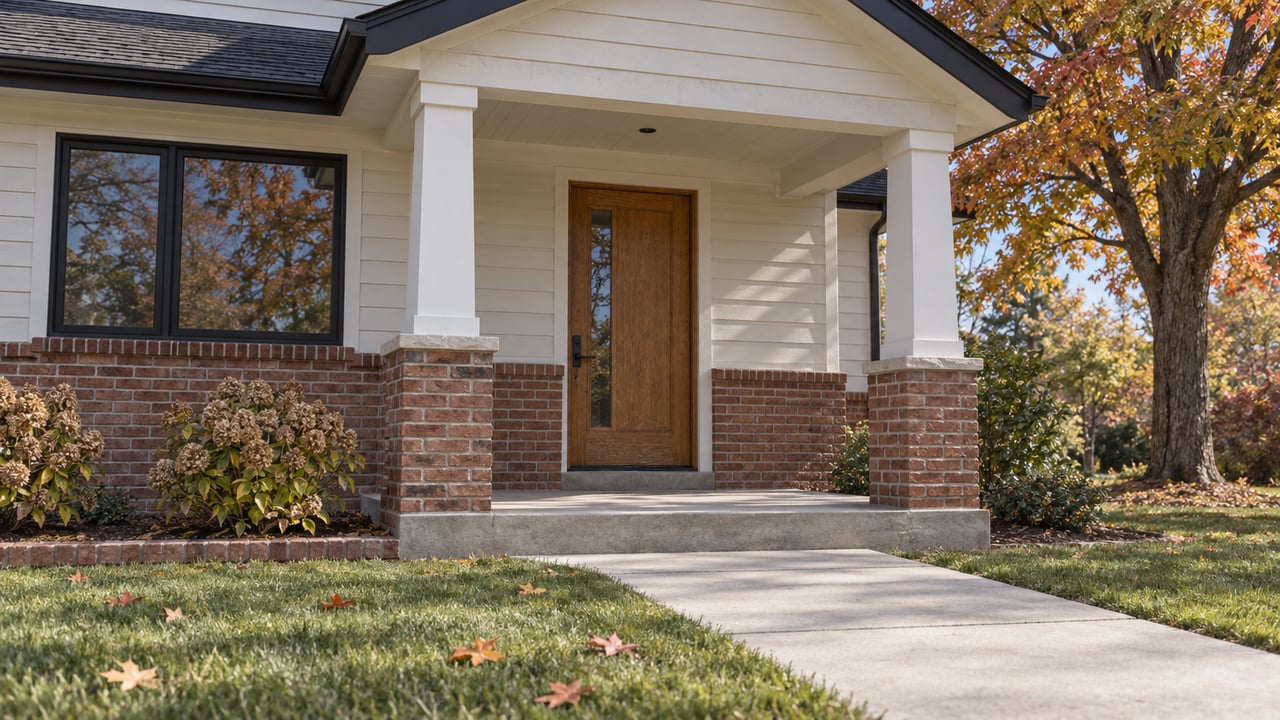
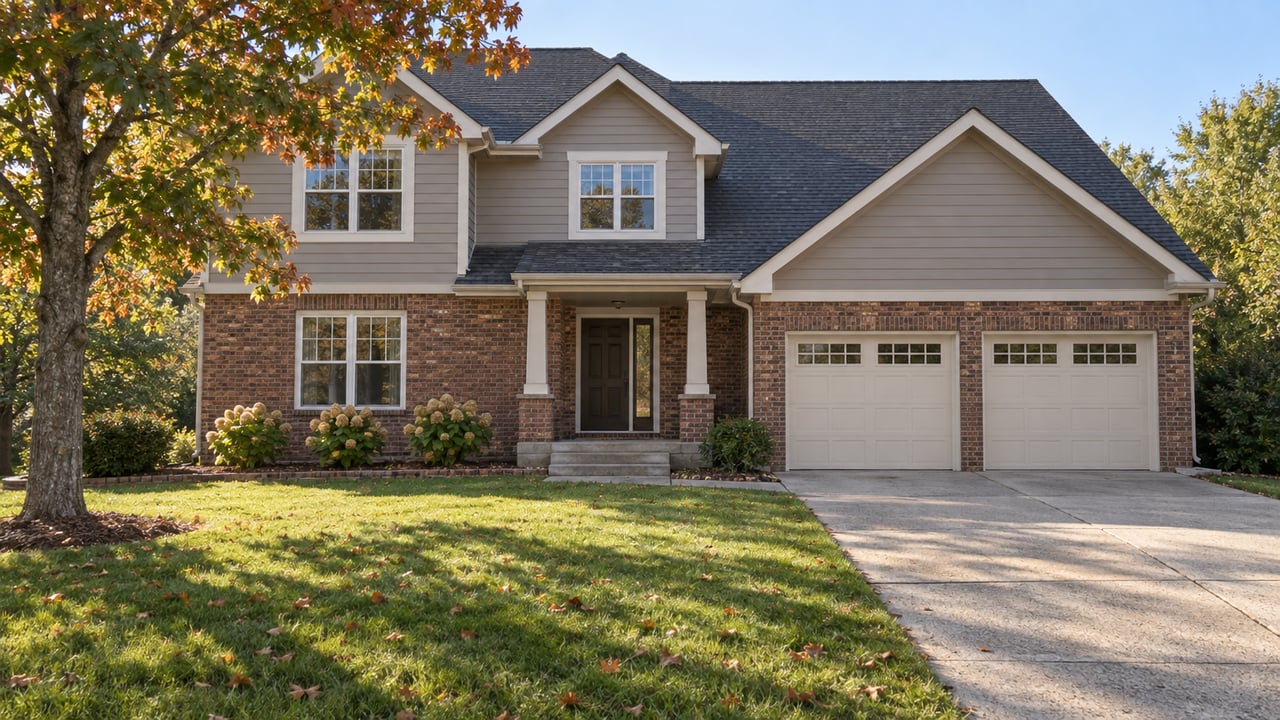
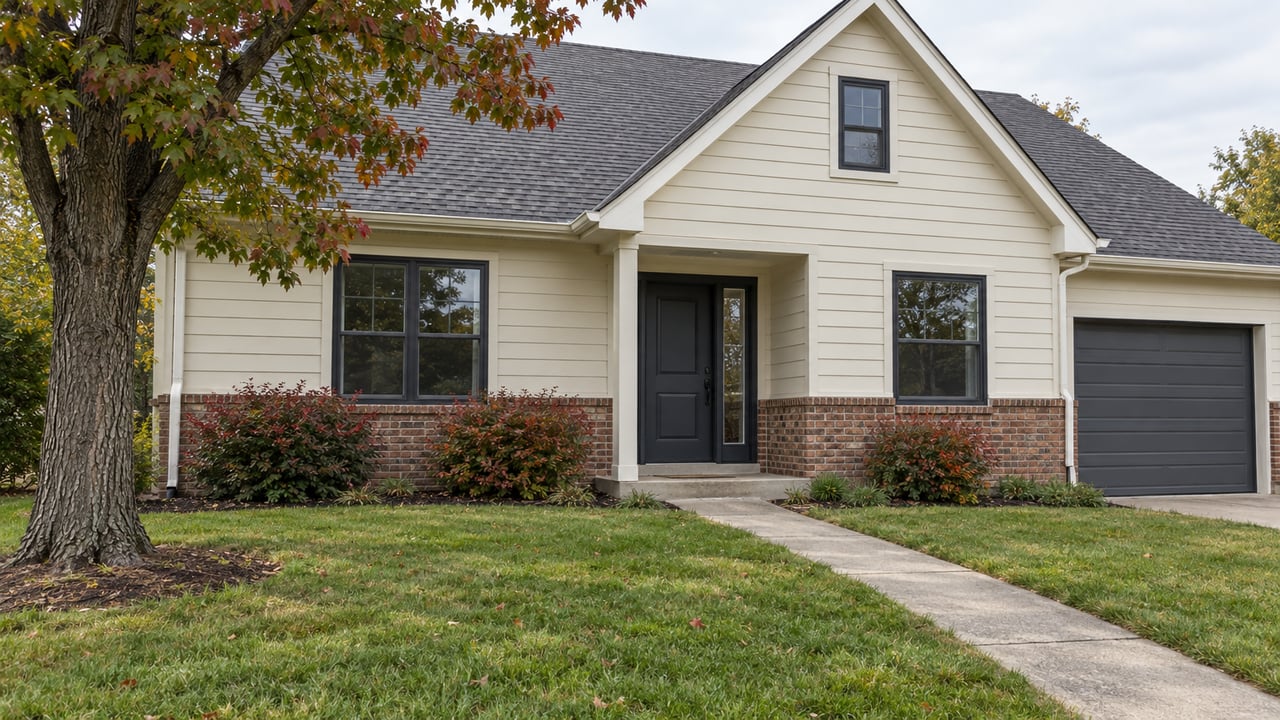
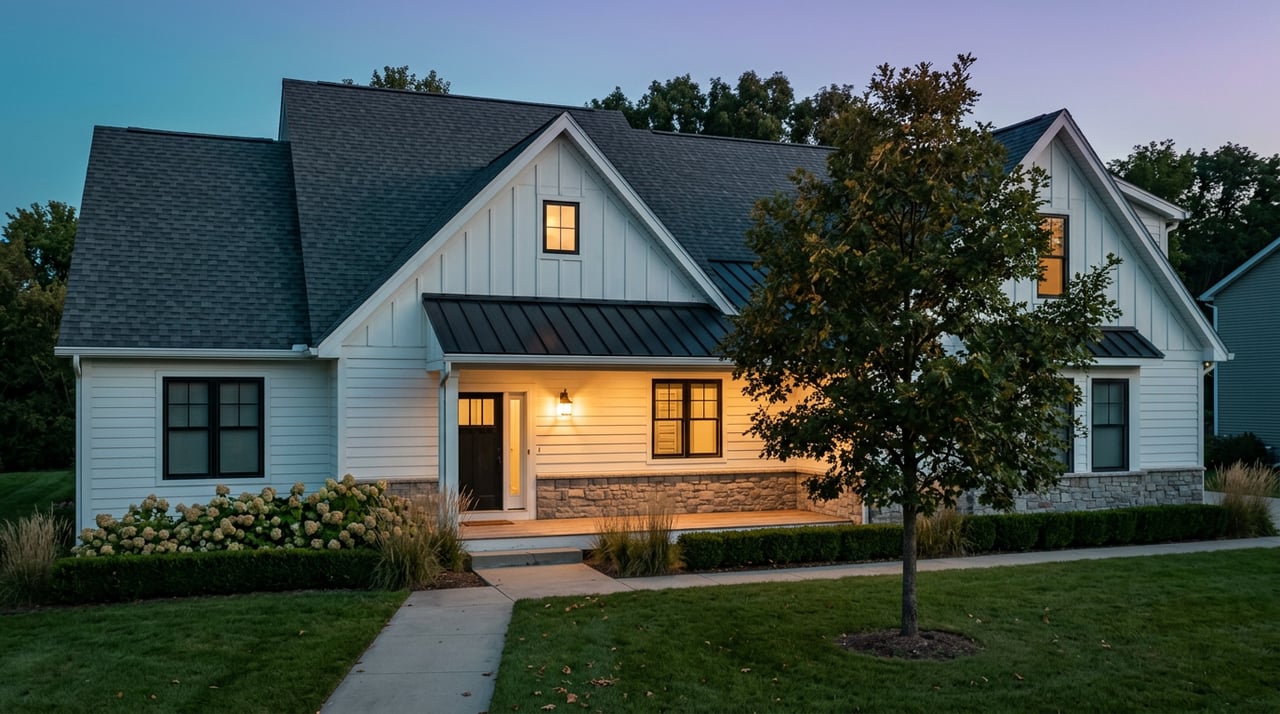
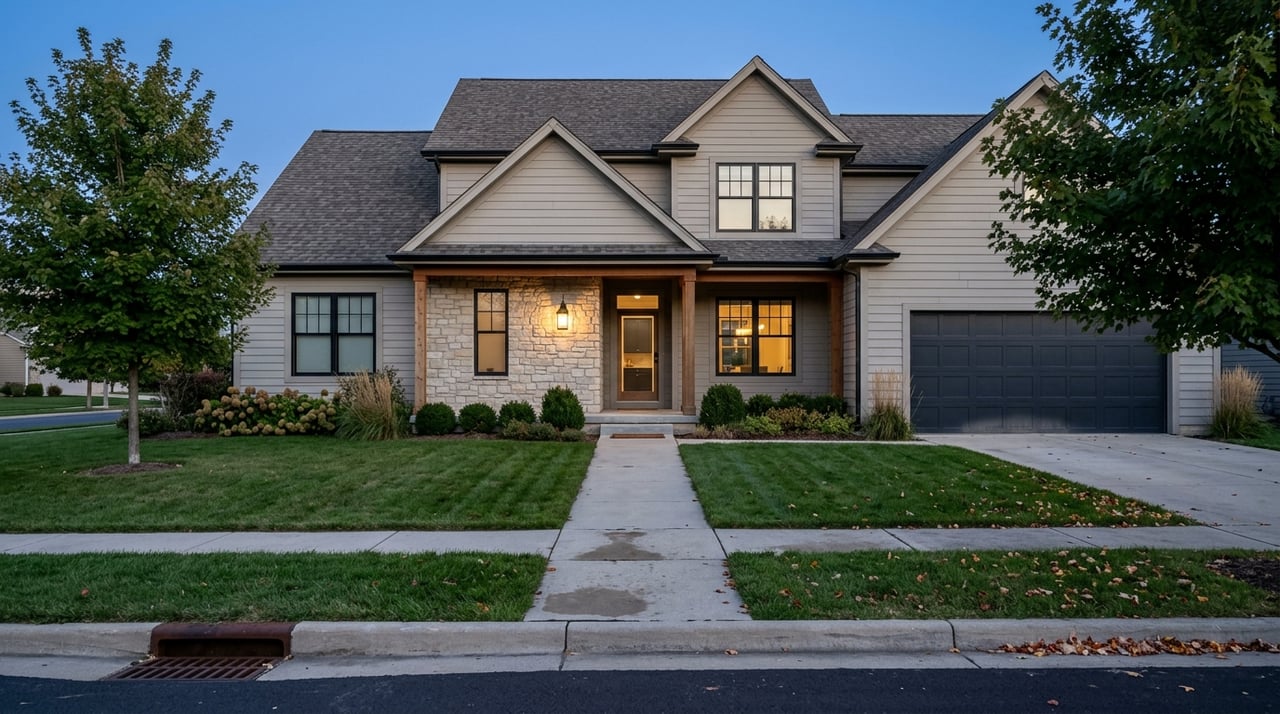
A big part of everyday life in Overland Park is the residential setting itself. The city says its suburban neighborhoods are primarily made up of single-family homes in planned subdivisions, which helps explain why so many streets feel organized, residential, and easy to navigate.
For many residents, that translates to routines built around home, errands, parks, and nearby shopping centers. You may spend more time driving than walking for daily tasks, especially outside the city’s mixed-use districts. At the same time, the variety in neighborhood types means you can find areas that feel more traditional, more compact, or closer to local activity centers.
Downtown Overland Park stands out as one of the city’s more walkable pockets. Areas around Prairiefire and other mixed-use retail corridors also create places where shopping, dining, and entertainment sit closer together. So while the city is generally car-friendly, it is not one-note.
Parks and trails shape daily routines
One of the clearest signs of everyday life in Overland Park is how much emphasis the city places on recreation. Official city resources highlight community centers, pools, public art, the Overland Park Farmers’ Market, the Scheels Overland Park Soccer Complex, and the 300-acre arboretum.
That matters because these are not just special-occasion destinations. They support the kinds of routines people actually build into their week, like a morning walk, a quick playground stop, an evening workout, or a Saturday market visit.
The trail network is another major part of local life. The Indian Creek Hike and Bike Trail runs more than 25 miles and is described as mostly shaded, which makes it a practical option for walking, biking, or getting outside in different seasons.
Overland Park also has extensive biking and pedestrian infrastructure. Local tourism sources report 163 miles of bicycle infrastructure, 61 miles of dedicated bike lanes, and more than 800 miles of sidewalks. That does not make every area fully walkable, but it does give residents more ways to stay active and move around than many people expect from a suburban city.
Everyday outdoor options
A typical week in Overland Park can easily include outdoor stops close to home. Depending on where you live, that might mean:
- Walking a neighborhood trail
- Visiting a local park after work
- Taking kids to a playground or sports practice
- Spending a Saturday morning at the farmers market
- Using a community center or pool
- Biking a section of Indian Creek or Tomahawk Creek
Local parks like Osage Park, Oak Park, Corporate Woods Founders’ Park, and the Indian Creek Recreation Center help make those routines feel accessible. Instead of needing a big plan to get outside, you often have a practical nearby option.
Shopping and dining are built into daily life
Overland Park makes everyday errands easy, but it also gives you more than the basics. Whether you are grabbing coffee, shopping for household needs, meeting friends for dinner, or filling a free afternoon, there are several established districts that serve different parts of the city.
Downtown Overland Park is one of the strongest examples. The Downtown OP partnership describes nearly 300 locally owned and operated businesses, walkable streets, a strong community feel, and a farmers market that the city says has operated with vendors for 40 years.
That gives the area a more local, main-street style atmosphere than you might expect in a larger suburb. It is a place where daily life can include casual dining, boutique shopping, community events, and regular weekend routines.
Oak Park Mall plays a different role. Visit Overland Park describes it as the largest mall in Kansas and one of the top shopping destinations in the metro, with major retailers, dining, and entertainment all in one place.
For many residents, that means practical convenience. You can handle errands, shop, and meet up with family or friends without leaving the city.
Prairiefire adds another layer to the local lifestyle. It combines restaurants, shops, the Museum at Prairiefire, and guided wetlands in one district, giving south Overland Park a more mixed-use feel.
Open-air centers like Hawthorne Plaza, Town Center Plaza, and Corbin Park also contribute to daily convenience. They help spread dining and shopping options throughout the city instead of concentrating everything in one core area.
Dining variety is easy to find
If you like having choices, Overland Park delivers. Local sources say the city has more than 300 restaurants, with options that include barbecue, ramen, cafes, patios, wine bars, and chef-driven international kitchens.
That variety shapes everyday life in a practical way. You are not limited to one type of dining scene, and you do not need to head into the urban core for a broad mix of casual and upscale options. Whether you want a quick lunch, a family dinner, or a weekend night out, you have plenty of local choices.
Getting around is usually easy
Transportation affects your daily routine more than almost anything else, and Overland Park is set up for regional access. Local tourism sources note that the city sits just minutes from Kansas City and is served by major highways and interstates, with many Kansas City area destinations reachable in about 20 minutes.
For most residents, that means driving will still be part of everyday life. Commuting, school drop-offs, errands, and activities are generally easiest by car, especially in the city’s more suburban neighborhoods.
Still, Overland Park offers more flexibility than a fully car-only suburb. Johnson County Transit, through RideKC, provides fixed-route service, micro transit, and paratransit options in much of Johnson County and to downtown Kansas City.
Visit Overland Park reports that eight RideKC routes serve Overland Park. RideKC also lists transit-center and park-and-ride stops at places including Johnson County Community College and Oak Park Mall.
Micro transit adds another option in certain parts of the city. According to RideKC, the service area includes Downtown Overland Park, Oak Park Mall, and Prairiefire. RideKC also states that buses are zero fare, while Johnson County micro transit is a paid service.
What that means for your routine
In practical terms, everyday transportation in Overland Park often looks like this:
- Most errands and commutes are easiest by car
- Some areas offer better bike and sidewalk access than others
- Downtown Overland Park and a few mixed-use districts are easier to explore on foot
- Transit can support select commutes and connections
- Park-and-ride options can help if you commute regionally
For many buyers, that mix is part of the appeal. You get suburban ease and road access, with some extra flexibility when you want it.
Overland Park fits many life stages
One reason Overland Park continues to draw attention from buyers is that it supports several types of lifestyles at once. If you want a quieter residential setting with parks and everyday convenience, it offers that. If you also want restaurants, local business districts, and access to Kansas City, it offers that too.
For relocation buyers, the city can feel approachable because the basics of daily life are easy to understand. Neighborhoods are varied but generally suburban, shopping and dining are widely available, and outdoor spaces are woven into normal weekly routines.
For current residents thinking about a move within the city, everyday life can differ meaningfully from one area to another. Some homes place you closer to walkable districts and mixed-use destinations, while others lean more heavily into classic subdivision living with nearby parks and retail.
Why lifestyle matters when choosing a home
A home search is never just about square footage or finishes. It is also about how you want your weekdays to feel, how far you want to drive for dinner, where you want to spend Saturday mornings, and what kind of neighborhood rhythm fits your household.
That is why understanding everyday life in Overland Park matters before you buy or sell. The city offers a strong mix of suburban neighborhoods, recreation, shopping, dining, and regional access, but the right fit depends on which part of that lifestyle matters most to you.
If you are thinking about buying, selling, or relocating in Overland Park, working with a team that knows the day-to-day character of the area can make your move a lot easier. Connect with the johns family team to get local guidance tailored to your next step.
FAQs
What is everyday life like in Overland Park, KS?
- Everyday life in Overland Park is generally suburban, convenient, and recreation-focused, with friendly neighborhoods, broad shopping and dining options, and easy access to Kansas City.
Is Overland Park more walkable or car-dependent?
- Overland Park is mostly car-friendly, but places like Downtown Overland Park, Prairiefire, and some mixed-use districts offer more walkable daily routines.
What outdoor activities are part of daily life in Overland Park?
- Residents often use local parks, community centers, pools, the farmers market, and trails like the Indian Creek Hike and Bike Trail for regular exercise and weekend activities.
Are there plenty of restaurants and shopping options in Overland Park?
- Yes. Local sources highlight more than 300 restaurants, major shopping destinations like Oak Park Mall, and multiple retail and dining districts across the city.
Can you use public transit in Overland Park for daily travel?
- Yes, RideKC provides fixed-route, micro transit, and paratransit service in and around Overland Park, though most residents still rely mainly on a car for everyday errands and commuting.