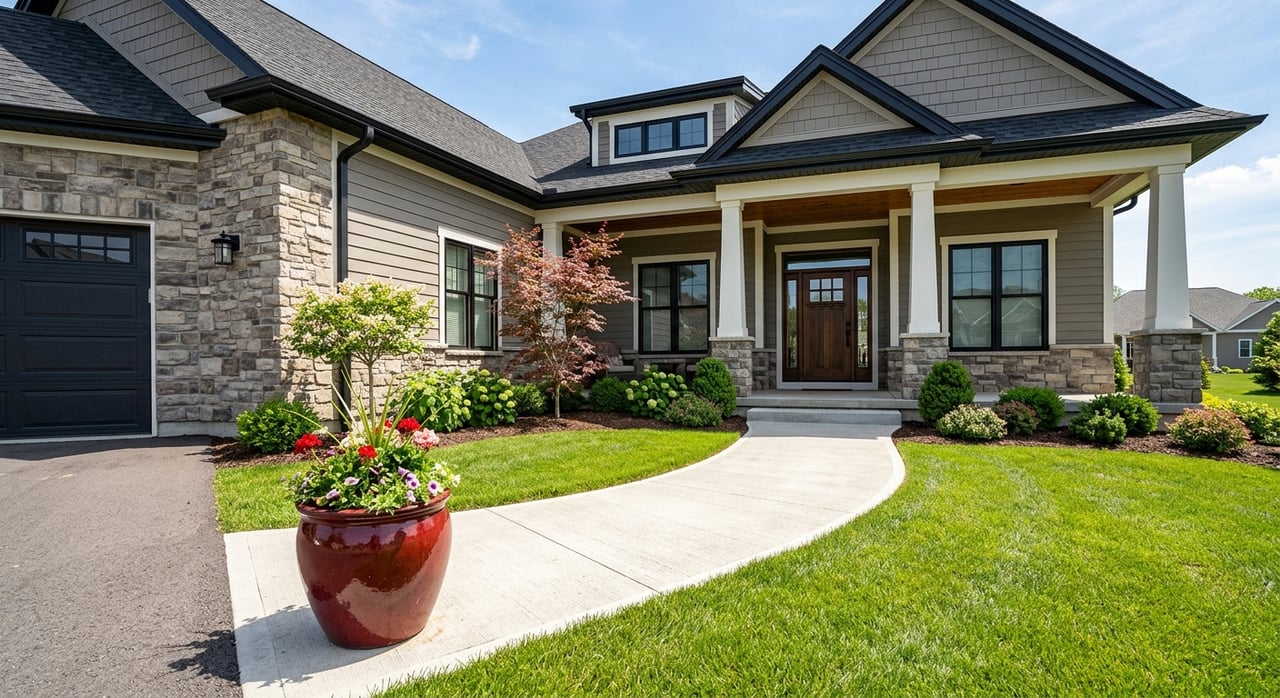
If you are eyeing Overland Park as a place to buy a rental property, the big question is simple: will the numbers and the day-to-day realities work in your favor? That is a fair question, especially in a market where home prices are strong, demand looks steady, and not every ZIP code behaves the same way. In this guide, you will get a practical look at rental demand, pricing, property types, and local rules so you can decide whether Overland Park fits your investment goals. Let’s dive in.
Overland Park at a Glance
Overland Park looks more like a stable suburban rental market than a fast-turnover urban one. The city’s 2024 population estimate is 202,893, median household income is $101,372, and 63.1% of adults age 25 and older have a bachelor’s degree or higher. Those numbers point to a well-established market with residents who often have the income to support higher housing costs.
The housing mix also matters. About 60.5% of housing units in Overland Park are owner-occupied, and 83.7% of residents lived in the same house one year earlier. That suggests many renters in the area may be looking for stability, space, and well-kept homes rather than short-term housing.
For investors, that can be a good thing if your strategy is built around longer-term tenants and careful property upkeep. It is less ideal if you are hoping for a low-cost entry point or unusually high monthly cash flow.
Rental Demand in Overland Park
Overland Park sits in affluent Johnson County, where the owner-occupied rate is even higher at 68.5% and median household income reaches $109,208. This is not a market driven by distressed housing or heavy churn. Instead, demand appears stronger for homes and townhomes that appeal to long-term households.
Census data shows 18.1% of Overland Park residents moved in the past year, and the average household size is 2.4. That points to meaningful renter demand, but not the kind of turnover you might expect in a downtown or college-centered market. In practical terms, you may be targeting renters who value consistency and are willing to stay put when the property is well managed.
That dynamic can support more predictable occupancy. It also raises the bar for condition, maintenance, and location, because renters in this market may have options and may expect a home that feels cared for.
Is Overland Park a Cash Flow Market?
This is where expectations matter. Overland Park looks more like a modest-cash-flow market than a deep-yield market.
The city’s median gross rent is $1,515, while the median value of owner-occupied homes is $413,600 based on 2020 to 2024 Census figures. That creates a rough price-to-rent ratio of about 22.8. Johnson County is nearly identical at 22.7.
That ratio is not a full investment analysis, but it is a useful screening tool. In general, it suggests you should not expect easy numbers or wide margins. Your success is more likely to come from stable occupancy, steady rent, and long-term appreciation potential than from chasing high monthly spread.
Recent sale prices reinforce that point. Redfin reported a March 2026 median sale price of $515,000 in Overland Park, with homes selling in around 17 days and getting about 3 offers on average. That means buying well can be competitive, and your underwriting needs to be disciplined from day one.
What Costs Should You Underwrite Carefully?
In a market like this, small misses can have an outsized impact on returns. You should look closely at:
- Property taxes
- Insurance costs
- HOA dues
- Routine maintenance
- Exterior upkeep
- Vacancy assumptions by ZIP code
- Turn costs between tenants
Because purchase prices are relatively high compared with rents, you do not have much room for sloppy assumptions. A property that looks acceptable on paper can feel very different once dues, repairs, and seasonal maintenance are added in.
Vacancy Varies by ZIP Code
One of the most important takeaways about Overland Park is that it is not one uniform rental market. Vacancy and renter mix can shift quite a bit depending on where you buy.
Selected ZIP-level snapshots show vacancy rates of 3.77% in 66210, 5.04% in 66224, and 6.33% in both 66204 and 66214. These are overall vacancy rates, not rental-vacancy-only figures, but they still suggest a market that is generally not overbuilt and has noticeable submarket differences.
For an investor, that means broad city averages only tell part of the story. The right property in the right pocket may perform very differently from a similar property a few miles away.
Property Types That May Fit Best
Different parts of Overland Park support different rental strategies. Your ideal property type should match the surrounding housing stock and renter profile.
Single-Family Rentals in 66224
ZIP code 66224 is heavily single-family, with 89.95% of housing units in that category and only 9.35% multifamily. Median gross rent is $1,789, and vacancy is 5.04%.
That mix suggests an area that may fit long-term single-family rental strategies better than small multifamily plays. If you are looking for a detached home that may appeal to renters planning to stay for a while, this kind of submarket may be worth a closer look.
Mixed Housing in 66210
ZIP code 66210 offers a more balanced mix, with 58.83% single-family and 40.96% multifamily housing. Median gross rent is $1,473, and vacancy is 3.77%.
This kind of profile may create options. Depending on the specific property and community rules, a condo, townhome, or smaller attached product may fit this area better than it would in a more heavily owner-occupied single-family pocket.
Larger Renter Base in 66204
ZIP code 66204 is more mixed than some of the southern parts of the city. It has 62.30% single-family housing, 37.48% multifamily housing, median gross rent of $1,366, and renter occupancy of 51.08%.
That may point to a broader renter base and potentially lower barriers to entry than higher-priced areas. For some investors, this kind of submarket may offer a more accessible starting point, especially if the numbers on townhomes, duplexes, or smaller multifamily properties are stronger.
More Multifamily in 66214
ZIP code 66214 is even more balanced toward attached housing, with 49.36% single-family and 50.64% multifamily. Median gross rent is $1,204, and vacancy is 6.33%.
This kind of area may offer different tradeoffs. Entry price could be more approachable depending on the property, but higher vacancy compared with some other ZIP codes means you would want to be especially careful with rent assumptions and condition.
Local Rules Can Affect Your Returns
Overland Park has a formal rental licensing and inspection framework in its municipal code. The city’s code chapter includes a rental license requirement, application and renewal standards, inspection provisions, and an appeal process.
That means owning a rental here is not just about collecting rent and handling repairs as they come up. You need to be ready for compliance, documentation, and ongoing property maintenance.
The city’s inspection checklist focuses heavily on exterior condition and maintenance items such as:
- Premises identification
- Wall surfaces
- Openings
- Roofing
- Stairs
- Decks, porches, and balconies
- Accessory structures
- Storage
- Driveways
- Vehicles
- Trees and shrubs
- Tall weeds or grass
This is especially important if you are converting a former primary residence into a rental. A home that worked fine for you as an owner-occupant may still need updates or more active maintenance to meet rental standards and avoid headaches.
Failed Inspections Can Create Real Costs
The city’s code compliance process includes an important practical detail. If a complaint leads to an inspection and violations are not corrected by the re-inspection date, the city charges a failed inspection fee of $140.
That may not sound huge on its own, but repeated delays or poor maintenance can create a chain of added expenses. In a modest-cash-flow market, those extra costs matter.
For landlords who want a more hands-off experience, this is one more reason to buy a property that is already in solid condition and easy to maintain. Deferred maintenance can eat into returns faster than many first-time investors expect.
Kansas Landlord-Tenant Rules to Know
At the state level, Kansas has clear rules that affect how you operate a rental. Security deposits may not exceed two months’ rent and must be held separately from the landlord’s personal funds in an insured bank, credit union, or savings and loan association.
Deposit timing matters too. The deposit must be returned within 14 days after damages are determined and no later than 30 days after termination, delivery of possession, and demand by the tenant. If money is wrongfully withheld, the tenant may recover the amount due plus 1.5 times the amount wrongfully withheld.
Kansas also generally requires at least 30 days’ written notice to terminate a month-to-month tenancy. These are not small details. They are operating rules that can affect both your process and your risk.
Do HOA Rules Matter for Rental Investors?
Yes, they can matter a lot. In Overland Park, many homes, townhomes, and condos are located in communities with private deed restrictions or association rules.
Before you buy, review the recorded covenants and rules carefully. Lease limits, approval requirements, parking rules, or other owner obligations can change how usable a property really is as a rental. This is a key step for both first-time investors and homeowners thinking about turning their current home into an investment property.
Who Is Overland Park Best For?
Overland Park may be a strong fit if you want a suburban rental in an established market with solid incomes, relatively stable demand, and tenant appeal tied to clean, well-kept housing. It may also fit if you are focused on long-term holds and understand that consistency can matter as much as headline yield.
It may be less attractive if your main goal is maximizing short-term cash flow or finding bargain pricing. The market’s higher purchase prices and moderate rent levels make careful deal selection essential.
In plain terms, Overland Park can make sense for small-scale investors, but it tends to reward quality, patience, and good management more than aggressive yield-chasing. The likely winners are often well-located homes or townhomes that can attract reliable long-term tenants and stay ahead on maintenance.
If you are weighing a rental purchase in Overland Park or deciding whether to convert your current home into an investment property, local insight can make a big difference. The right ZIP code, property type, and community rules can shape your results just as much as the purchase price. If you want help evaluating your options in Johnson County, connect with the johns family team.
FAQs
Is Overland Park a good place for rental property investing?
- Overland Park can be a good fit if you want stable suburban rental demand and are comfortable with modest cash flow, higher purchase prices, and careful property management.
What kind of rental properties work best in Overland Park?
- The best fit often depends on the ZIP code, with some areas appearing better suited to single-family rentals and others offering more opportunity for townhomes, condos, duplexes, or small multifamily properties.
Are rents high enough in Overland Park to support strong cash flow?
- Median gross rent is $1,515, but home values and sale prices are also relatively high, so many investors should expect tighter margins and underwrite expenses carefully.
Do Overland Park landlords need a rental license?
- Yes, Overland Park has a rental licensing and inspection framework in its municipal code, so investors should plan for compliance and ongoing maintenance obligations.
What should buyers check before investing in an Overland Park HOA community?
- You should review the recorded covenants and rules before closing because lease restrictions, approval requirements, parking rules, and other obligations can affect how the property can be rented.
What Kansas security deposit rules apply to rental properties?
- In Kansas, a security deposit generally cannot exceed two months’ rent, must be held separately from personal funds, and must be returned within the timelines required by state law.